Sub-250 Gram Drones: Registration and Remote ID
A drone under 250 grams skips FAA registration and Remote ID only when flown purely for fun. Under Part 107, every drone is registered and broadcasts Remote ID.
Mini drones built to weigh just under 250 grams are popular for one reason: the FAA's 0.55-pound line. But that line only helps recreational flyers. The FAA's registration page says all drones must be registered except those that weigh 0.55 pounds or less (under 250 grams) and are flown under the Exception for Limited Recreational Operations. Fly the same drone for work and the exemption disappears.
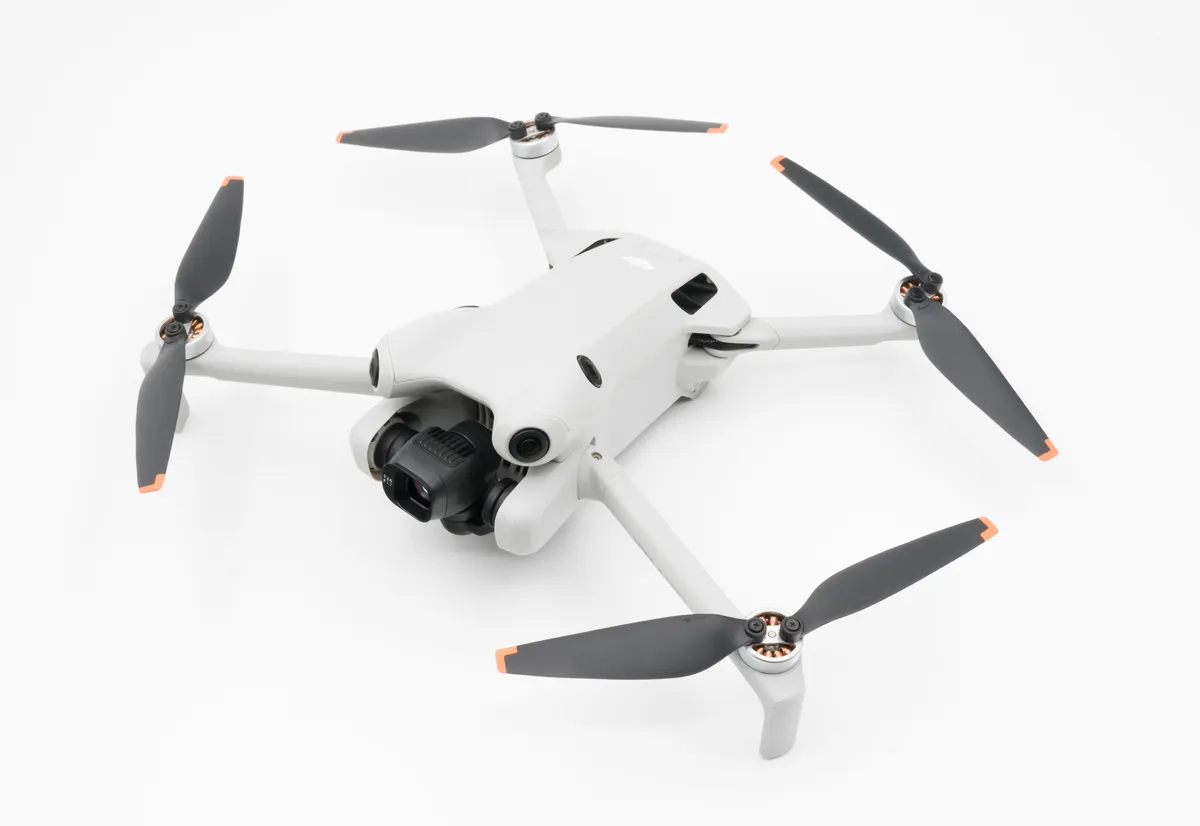 DJI Mini 4 Pro, a popular folding drone sold in a configuration under 250 gramsPhoto: Jacek Halicki, CC BY-SA 4.0, via Wikimedia Commons
Do you have to register a drone under 250 grams?
| How you fly it | Register? | Remote ID? |
|---|---|---|
| Purely for fun, under the recreational exception | No | No, unless you register it anyway |
| Part 107 (work, a business, a client, a monetized channel) | Yes | Yes |
| Recreational, but you chose to register it | Registered | Yes |
The Remote ID column follows from the FAA's Remote ID page: drones that are required to be registered, or are registered, must comply with Remote ID, whether they fly for recreation, business or public safety. An unregistered recreational sub-250 drone is outside both rules. A Part 107 drone of any weight is inside both.
0.55 lb
the 250-gram line, which only exempts drones flown under the recreational exception
What counts toward the 250 grams?
Takeoff weight, everything included. 14 CFR §48.15 exempts recreational aircraft that weigh 0.55 pounds or less on takeoff, including everything on board or attached. An extended battery, a propeller guard, a strobe or a phone mount can push a 249-gram drone over the line. Weigh it the way you fly it.
Is a sub-250 drone allowed over people under Part 107?
It can qualify for Category 1 operations over people, but weight is not the only test. §107.110 requires a drone of 0.55 pounds or less, including everything on board, that has no exposed rotating parts that would lacerate human skin, and it bans sustained flight over open-air assemblies unless the drone meets the Remote ID requirements. Most mini drones have bare propellers, so check before relying on Category 1. The operations over people post covers all four categories.
Lighter does not mean exempt from the rest. Even a recreational sub-250 drone still follows the recreational rules: the TRUST test, controlled airspace authorization, the 400-foot limit in Class G, and giving way to other aircraft.
What about work flights?
A sub-250 drone flown for a client, a business or a monetized channel is a Part 107 operation, which means a remote pilot certificate, registration under Part 107 and Remote ID. The YouTube post covers where creators fall, and how to register a drone walks through the steps. If you switch from fun to work later, note that the FAA says a recreational registration cannot be used for Part 107 flights, so register the drone under Part 107.
What the exam asks about small drones
Registration thresholds and Category 1 both appear on the test, under the Operating Rules task, UA.I.B, and the operations over people elements. Expect a question that pairs 0.55 pounds with recreational or Part 107 use, or that confuses it with the 55-pound limit covered in the 55-pound post.
Under 250 grams helps only when the flight is purely for fun. For work, weight does not matter.
The free one-minute quiz sorts out Part 107 versus recreational with the FAA's own conditions.
Find out which rules applyFree diagnostic
Reading about drones is one thing. Passing the Part 107 test is another. See where you stand.
Take the free 10-minute diagnostic